
Lent & Easter
Lenten Worship
Beginning February 22, our Lenten worship will focus on the theme “Abide With Me: Tiny Habits that Shape our Lives.”
February 22 – Identity (I am a person who…) 1 John 4:7- 21
March 1 – Clarity (make it obvious) 1 John 2: 7-11
March 8 – Freedom (make it attractive) John 8:31-36
March 15 – Simplicity (make it easy) John 14:15-17
March 22 – Abundance (make it satisfying) John 15:1-17
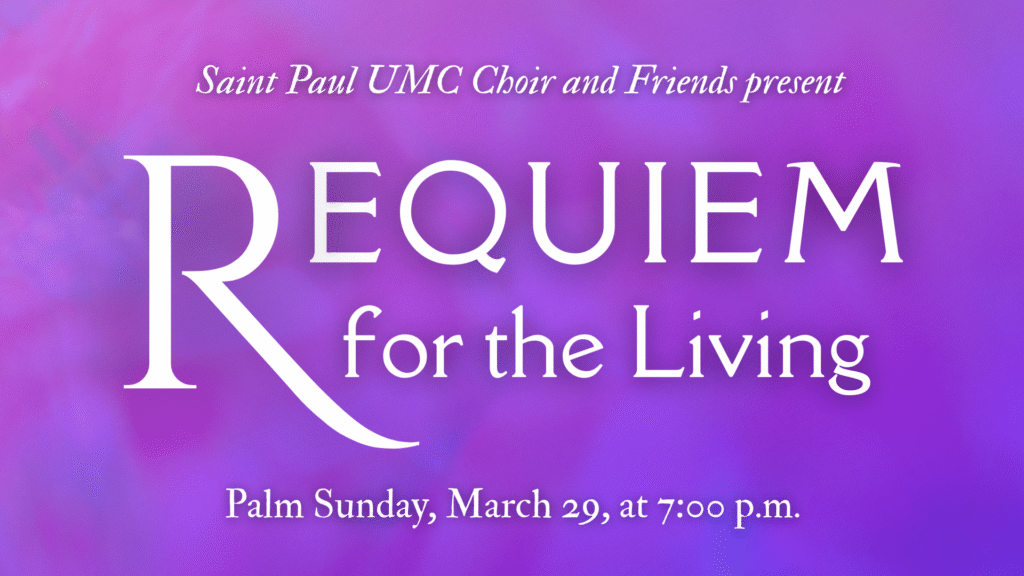
March 29 – Palm Sunday
April 5 – Easter Sunday
James Clear, in his bestseller, Atomic Habits: An Easy & Proven Way to Build Good Habits and Break Bad Ones, gives practical, evidence-based tools on how to develop the habits we wish we had in our lives, but have sometimes struggled to implement. This Lent, we’ll Abide with Christ and walk with each other to take tiny steps forward in faith.
Holy Week
Palm Sunday – Worship on March 29 at 10 a.m.
The Sunday before Easter is the last Sunday in Lent. The day commemorates Jesus’ triumphal entry into Jerusalem. This service will include a large processional with a children and choir.
Maundy Thursday – Fellowship Meal on April 2 at 6 p.m.
We will be hosting our Maundy Thursday Fellowship Meal again this year. Join us as we enjoy a delicious meal, reflect on Jesus’ words, sing hymns, and partake in communion. The meal will be prepared by Pastor and former executive chef, Ed Ostlund. Please register yourself and any other attendees here.
Good Friday – Worship on April 3 at 7 p.m.
On Friday of Holy Week, we mark the death of Jesus on a Roman cross. We mourn all the ways that violence, death, and destruction impact human lives, and we remember the one who loves humanity with everything.
Classes
HOSANNA: A SPIRITUAL JOURNEY THROUGH HOLY WEEK
Thursdays at 7:00 p.m. on Zoom (February 12 – April 30) with Dr. Dave Moore
Beginning this February, all are welcome to join Dr. Dave Moore as he leads this special Bible Study focusing on the last week of Jesus’ life. This will include exploring the Holy Week events detailed in all four Gospels, as well as Paul’s writings. Together, these five stories of the One Story will give us new insights, and a deeper understanding of the most momentous week in history, and what it means for us today.
ABIDE WITH US FAITH FORMATION GROUPS
Wednesdays at 6:00 p.m. in Room 155 (February 25 – April 1) with Rev. Sarah Marsh and Pastor Jed Linder
As a companion to this year’s Lenten theme “Abide with Me: The Tiny Habits that Make Up Our Lives,” Rev. Sarah and Pastor Jed will lead this special spiritual formation group. Each Wednesday evening, we will gather together to discuss insights from James Clear’s #1 New York Times bestselling book, Atomic Habits: An Easy & Proven Way to Build Good Habits & Break Bad Ones, and how we might develop our own tiny habits to benefit our lives. All are welcome to join on this journey, as we encourage and empower one another in directing our lives towards Christ through the habits that propel our days.
Easter

Love triumphs over the cross, life does not end at death! On Easter Sunday, we rejoice with our whole selves as people who are defined by the power of resurrection. In Christ, we celebrate hope in a very special way on Easter, hope for ourselves, and hope for all the world. Join us for Easter worship at 10 a.m. on April 5, 2026.
Other Events


Lent & Easter FAQ's
Lent is a season of preparation leading up to Easter. It is the forty days before Easter, not including the six Sundays. For centuries, it has been observed as a special time of self examination and penitence. Lent is a time for concentration on fundamental values and priorities, and is not a time for self punishment.
The custom is to mark the season of Lent by giving up some things and taking on others. Both can serve to mark the season as a holy time of preparation. Some examples of things people give up for Lent include sweets, meat for all or some meals, caffeine, and alcohol. In most cases, giving up something for Lent can be made more meaningful by using the money or time for another purpose. For example, meal times on fast days could be spent in prayer. Another example is that if you give up meat during Lent, the extra money that would go to meat dishes can be given to a group, such as World Vision, which works to end hunger worldwide. Some things added during Lent are daily Bible reading, fasting, times of prayer, taking a course of study related in some way to spirituality. Note: Sundays are celebrations of Christ in our midst and are always an appropriate day to lessen the restrictions of Lent.
This is actually the day before Lent begins. The day is named for the “shriving” or confessing that was traditional on this day before beginning Lent. This day is also known as Mardi Gras, or Fat Tuesday,. because it was a time for eating the things from which one would abstain during Lent. Pancake suppers are traditional as they were a way of using up some of the ingredients not needed during Lent.
The first day of Lent is marked with a special liturgy. The theme for the day, though not for all of Lent, is our mortality. This is symbolized by the imposition of ashes on the forehead, with the words, “You are dust and to dust you shall return”. In the Old Testament, ashes were a sign of penitence (feeling regretful at offenses) and mourning.
This Sunday before Easter is the last Sunday in Lent. The day commemorates Jesus’ triumphal entry into Jerusalem. The day is also marked by sometimes reading the story of Jesus’ passion (the word used to describe Jesus’ death comes from ”suffering” which is one old meaning of passion). Some of the Palm Sunday palms are kept and used to make the Ash Wednesday ashes for the next year.
This is the Thursday in Holy Week (the week leading up to Easter). The day is a time for remembering The Last Supper. The name comes from the Latin word “Maundatum” for “commandment” as Jesus said, “I give you a new commandment; that you love one another”. At the conclusion of this service, altars are stripped of any ornamentation and crosses are removed or veiled to mark the solemness of the occasion.
The Friday in Holy Week is a time for remembering Jesus’ death. This is the second day of special observance for which fasting is recommended. One should use discretion in decided how best to observe this day. There is no celebration of Communion from Maundy Thursday until the Easter Vigil on early Sunday.
Easter is one of the principal holidays of Christianity. It marks the Resurrection of Jesus three days after his death by crucifixion. Easter is the joyful end to the Lenten season.